
In cases of PTSD (the nuanced nature of patients indicates that THC may provide benefits by alleviating nightmares and hyperarousal), with potential advantages outweighing risks when monitored by a healthcare professional. Clinical and preclinical research has shown that CBD exhibits anxiolytic properties, and its action mechanism via 5-HT1A receptors is similar to that of some traditional antidepressants. Clinical evidence supports the use of CBD primarily for treating epilepsy in pediatric patients. Are you prepared to access medical cannabis legally with the assistance of a licensed expert? Compared to smoking, vaporizing at lower temperatures minimizes risks associated with combustion.
By mixing CBD with THC — one can achieve a more balanced outcome, lessening the psychoactive effects of THC while enhancing therapeutic advantages. Additionally, THC effectively alleviates nausea and vomiting, making it an important treatment option for patients undergoing chemotherapy or dealing with gastrointestinal issues. Research has indicated that CBD can alleviate anxiety and depression symptoms by affecting the serotonin receptors in the brain. The endocannabinoid system (ECS) is vital in overseeing numerous physiological functions, such as mood regulation, appetite control, sleep patterns, and pain perception. The body’s endocannabinoid system (ECS), a sophisticated cell-signaling network, is influenced by both CBD and THC.
The available evidence regarding testicular seminomas — as well as Celtic youth academy prospects lung, neck, and head cancers, remains uncertain due to the potential influence of tobacco use and other confounding variables. The relationship between cannabis consumption and the emergence of testicular germ cell tumors was examined in three case-control studies. Evidence consistently shows a correlation between acute cannabis smoking and bronchodilation (as well as regular cannabis smoking leading to respiratory symptoms like cough), wheezing, and phlegm.
High-CBD, low-THC ratios are most commonly used for anxiety and stress. If the effect feels too strong or too mild — adjusting your dose may be more effective than changing the ratio. But THC percentage alone doesn’t explain how a product will feel. Many people make simple mistakes that lead to experiences that feel too strong (too mild), or simply not aligned with their goals. For some people — even a small increase in THC can feel mentally foggy, so starting on the CBD-dominant side is often preferred for focus.
A review of research conducted in 2024 indicated that pain reduction was observed in most of the 15 studies referenced concerning CBD. Much of the current research on CBD’s effects on pain is derived from studies conducted on animals. While THC binds to CB1 receptors, CBD activates these receptors to encourage the body to produce its own cannabinoids, referred to as endocannabinoids. Among the various cannabinoids found in the cannabis plant, CBD is one of the many compounds. To fully understand the potential medical benefits of the cannabis plant, further exploration of its chemical makeup is necessary.
How Are CBD and THC Alike?

Additionally — a pre-clinical trial aims to show that behavioral and psychological symptoms of dementia decreased with the use of CBD. The parts in CBD may suppress some of the condition’s main symptoms, such as behavior disorders and memory loss. One 2019 review of studies in mice concluded that CBD may be an effective treatment for Alzheimer’s disease. There are a number of behavioral and psychological symptoms of Alzheimer’s disease. Studies also show that CBD may help reduce withdrawal symptoms in people who have an addiction to certain substances.
It is important to note that most studies have not reviewed the long-term effects of CBD, and researchers need to conduct more studies with human participants. Therefore, it may have anti-inflammatory benefits for conditions resulting from oxidative stress. CBD may also support the action of rheumatoid arthritis medications and be a useful therapeutic option to take alongside these medications.
With minimal side effects like dry mouth or fatigue (CBD is ideal for daily use), from athletes recovering post-workout to professionals managing stress. These structural quirks explain why CBD feels soothing without impairment (while THC delivers euphoria), altered perception, and sometimes anxiety. Studies, including those from the World Health Organization, highlight its safety profile with no evidence of public health risks when used appropriately.
As a psychoactive substance, THC can cause the side effect of inducing a state of euphoria. Nonetheless, it is recognized that high doses of THC can pose significant risks. While we previously discussed potential wellness effects, it’s important to consider what risks or side effects may exist. Smoking THC products may produce a feeling of clumsiness and slow motion. Tetrahydrocannabinol, commonly referred to as THC, is the primary psychoactive ingredient present in the cannabis plant. Ongoing studies reveal that while CBD affects these two receptors, it does not bind to them.
Dr. Gruber noted the new research may be one of the first studies to examine the effects of different inhaled products using a real-world versus lab-based approach. “Under an IND, or investigation of a new drug approval, by the FDA, you can’t evaluate a product currently for sale because you’re assessing it as a pre-market drug,” Dr. Gruber explained. The user should be aware of the harmful chemicals in smoked cannabis — and the risks of vaped CBD are not known. ” ”This is important to address because CBD-dominant cannabis in smoked and vaped forms is becoming more widely available with increased consumer access to cannabis.
CBD Topicals for Pain & Skin Conditions: What the Research Says
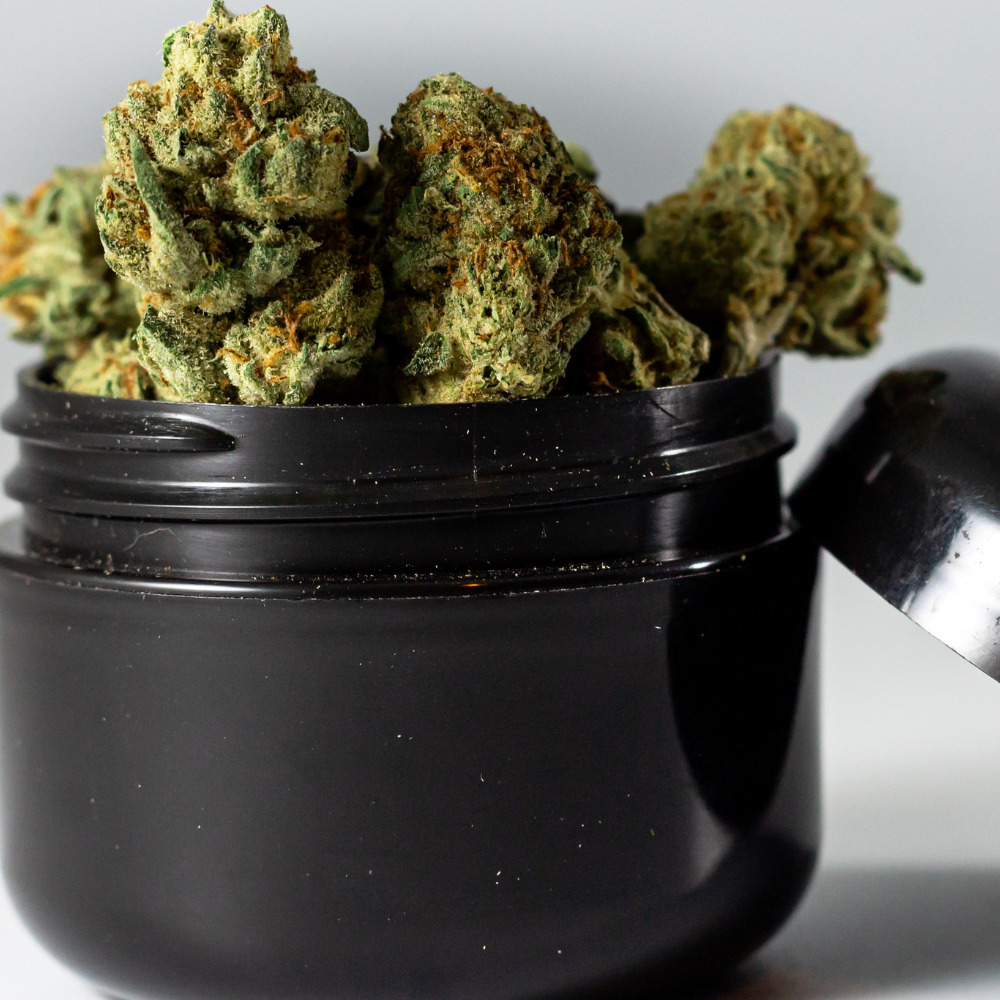
Though CBD does not produce a “stoned” sensation, it can positively influence an individual’s mental state.
Although most regulations align with federal guidelines (some states impose stricter rules), making it advisable to research the specific laws of the state of interest. This distinction is arguably the most significant difference between CBD and THC, as it accounts for their unique effects. Both CBD and THC are phytocannabinoids—cannabinoids derived from plants—found in cannabis — distinct from the endocannabinoids that our bodies naturally generate.
Access to both compounds requires navigating a complex legal and regulatory landscape. THC is a powerful (clinically validated compound with well-documented benefits for pain), nausea, spasticity, appetite stimulation, and PTSD, as well as well-documented risks related to cognition, mental health, and dependence. It is about understanding which tool (or which combination of tools), is best suited to a specific patient’s needs.
And (while there is a lot of positive talk about cannabis), there are risks—especially if you’re over 55. Although limited data exists comparing CBD’s and THC’s effectiveness in treating pain, studies suggest that people who experience more immediate pain relief from cannabis tend to use products higher in THC. These contrasting effects highlight the complex interplay between THC and CBD in addressing sleep-related issues, and individuals might need to experiment (slowly and safely) to see which works best for them. But numerous studies have shown that CBD can significantly lower symptoms or stop them altogether in some cases.